Rail where suitable
Consider rail-centered movement for appropriate long-distance freight requirements.
SUSTAINABILITY
We are building a logistics approach that considers efficient modes, coordinated routes, and the environmental context of moving cargo.
A PRACTICAL DIRECTION
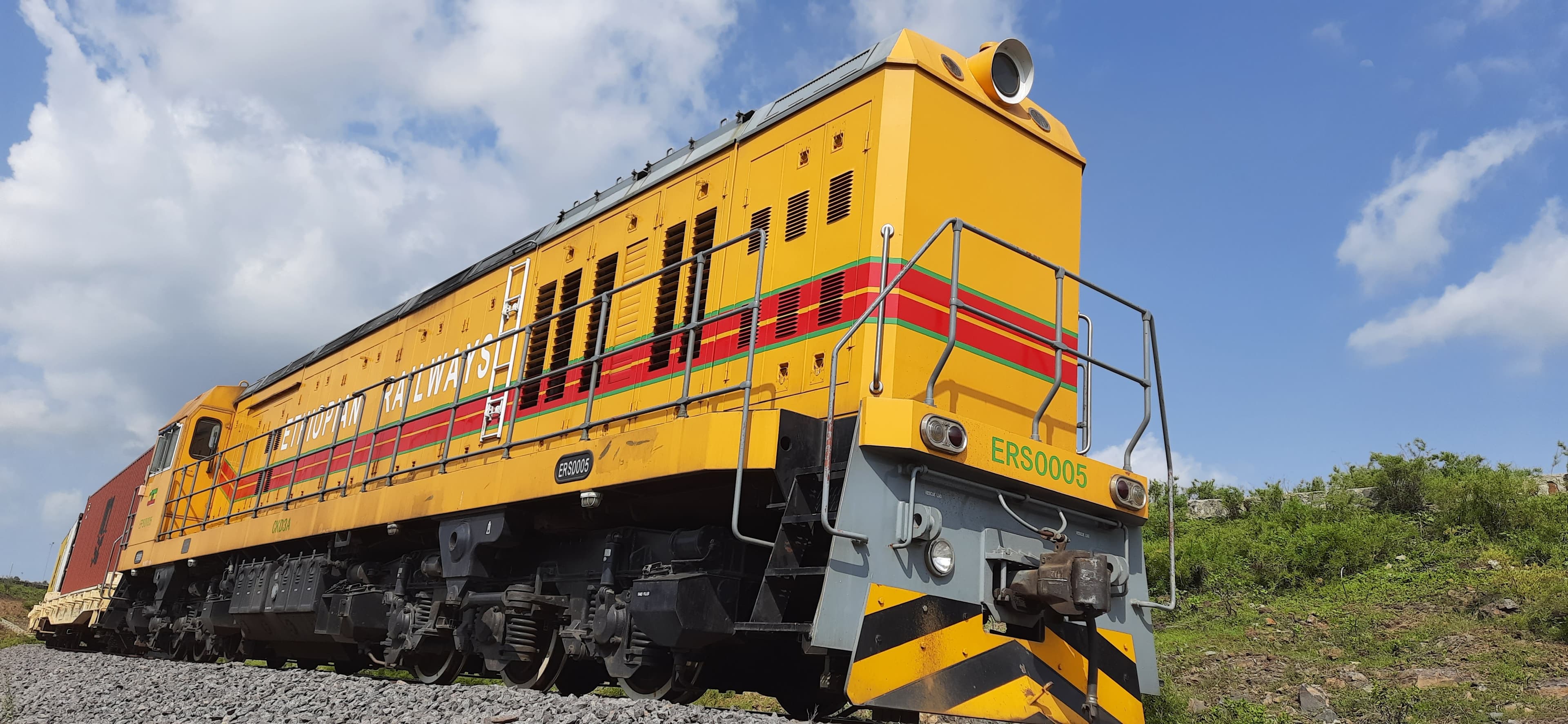
Greater use of rail where appropriate, route optimization, shipment consolidation, and reducing empty movements can support more considered freight planning.
Fleet efficiency, environmental monitoring, emissions awareness, and waste reduction are part of the direction for improving logistics over time. This page does not publish unverified emissions figures or certifications.
AREAS OF FOCUS
Consider rail-centered movement for appropriate long-distance freight requirements.
Coordinate shared cargo and fewer unnecessary movements where the route allows.
Build environmental monitoring and efficiency considerations into future planning.
PLAN A MOVE
Share the movement context so the right combination of stages can be considered.